



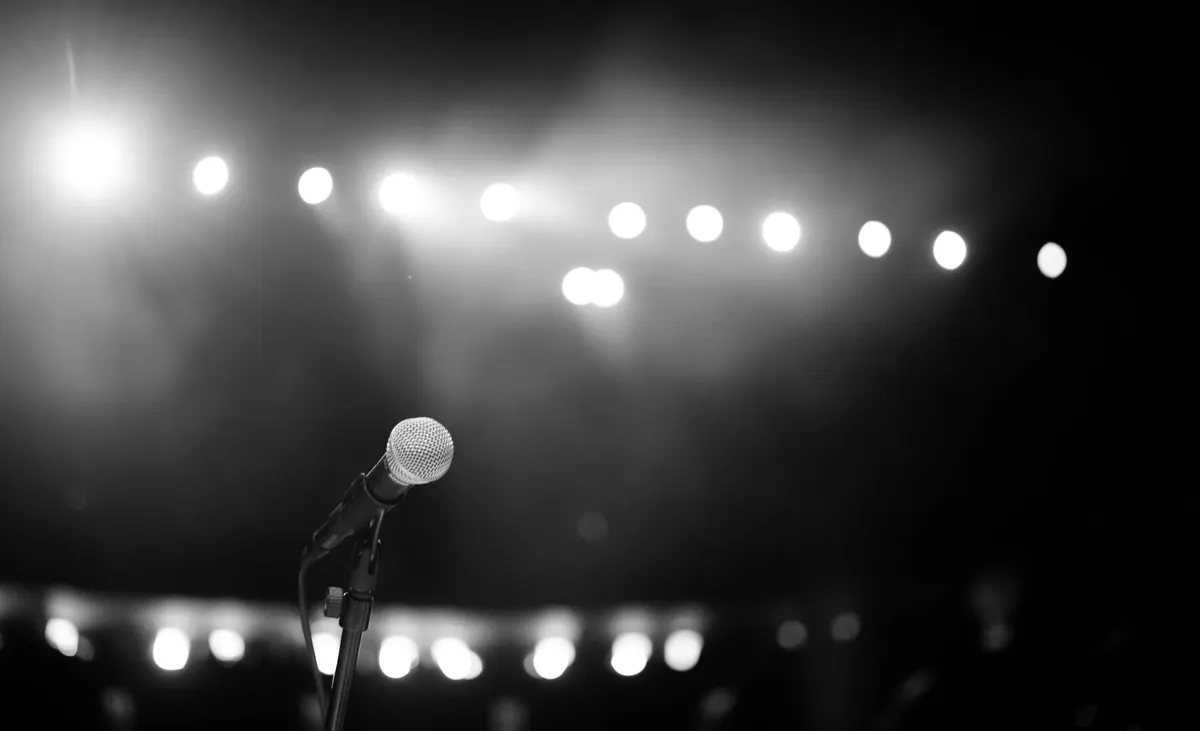
There is a particular silence before a poem begins. It is not the dead silence of a room waiting for someone to stop talking; it is the alert kind, when thirty people put down their glasses and turn towards a microphone. Most poets remember their first open mic for that silence more than for anything they actually said. The good news is that you can prepare for it.
Pick a Poem That Works Out Loud
Not every poem is a performance piece, and that is fine. Some live quietly on the page, relying on white space and the shape of lines to do their work. Read those aloud and they can go flat, like a joke explained. For a first open mic, look for a poem that:
- is short enough to hold a room — roughly one to three minutes, which in practice is often twelve to twenty-five lines
- has at least one moment of sound: a repeated phrase, a bit of rhyme, a rhythm that builds
- makes sense when heard once, without a reader's luxury of going back
- you still like. This matters more than you would think. If you are secretly bored of it, the audience will be too
If you write long, sprawling poems, do not despair. Choose a section, or save the epic for another night. A ten-minute poem at a busy open mic will test the goodwill of even a friendly room.
Read It Aloud Before You Edit It
The page and the mouth disagree more often than you would expect. Words that look elegant on screen can snag in the throat: clusters of consonants, awkward pairs, a line that runs out of breath halfway through.
Read your poem aloud, slowly, and mark anything that trips you. A stumble once is chance; a stumble twice is a line that needs work. Notice where you have to rush to reach the end of a breath, and where you are forcing a word you would never use in speech. Make small changes — repeat a word, cut a clause, swap a comma for a full stop. The aim is not to dumb the poem down. It is to let the sound carry the meaning rather than get in its way.
Rehearsal That Actually Helps
Rehearsing does not have to mean memorising, though you can if you want to. Beginners often practise silently, in their heads, which teaches them almost nothing about pacing.
- Stand up. If you plan to stand at the mic, rehearse standing. Breath and voice change when you do.
- Time yourself. Use a phone timer. A poem that takes three minutes on the sofa takes closer to four with nerves.
- Over-practise the first and last lines. The opening gets you moving; the ending is what people carry home.
- Rehearse the pauses. A beat before the final line can do more work than an entire stanza.
- Record yourself once. Uncomfortable, yes. Do it anyway. You will hear the mumbling and the rush you did not know were there.
Nerves: What Helps and What Doesn't
Nerves are not evidence that you are doing it wrong. Almost everyone reading at an open mic is nervous, and that shared flutter is part of the atmosphere. A few things reliably help.
Breathe out slowly. Before you go up, take two unhurried breaths with the exhale longer than the inhale. It settles the voice. If anxiety about performing is affecting your daily life or your health, speak to your GP rather than toughing it out.
Give your hands a job. Holding a sheet of paper is enough. It stops the fidgeting that audiences read as panic.
Look at one person. Not the whole room — that is a lot of faces. Find someone in the middle who looks encouraging, deliver a few lines to them, then move on.
Do not apologise. Opening with "this is rubbish, I wrote it on the bus" tells the room not to bother. Read the poem and let them decide for themselves.
Slow down. Nerves speed everything up, so aim for a pace that feels almost too deliberate, especially in the first line. And skip the pre-show drink: it loosens the tongue but blurs the consonants, which is a poor trade.
At the Venue: Etiquette and Practicalities
Open mics run on goodwill and a sign-up sheet. A little awareness of how they work goes a long way.
- Arrive early, put your name down if there is a list, and check the time limit. Then stick to it without being asked.
- Print your poem. Paper does not ring, dim, or run out of battery halfway through the third stanza.
- Hold the mic a hand's width from your mouth, angled slightly off-centre so plosive sounds on "p" and "b" do not thump.
- Say your name clearly before you start. It helps the host and it helps you settle.
- Stay and listen to the other readers. The room remembers who clapped and left before the interval.
If you lose your place, pause, find the line, and carry on. Audiences are forgiving; they would rather wait two seconds than watch you panic.
Afterwards: What to Do With the Experience
Someone will say something kind to you at the bar, and you will probably not remember a word of it. That is normal. Instead, ask a friend for one specific observation — did the ending land, was the pace too fast, could they hear you at the back? One useful note beats twenty compliments, because it tells you what to work on before the next one.
Keep the poem you read. There is a common urge to bury it afterwards, as though a shaky first reading has cursed it. Come back to it in a month, read it aloud again, and you will find the parts that worked were doing so all along.
Your First Night: A Short Checklist
- Choose a poem you can read in under three minutes and still enjoy.
- Read it aloud three times and fix anything that trips you.
- Rehearse standing, with a timer, focusing on the first and last lines.
- Print it in a readable font on paper you can hold without rattling.
- Arrive early, sign up, and watch a few other readers before your turn.
- Breathe out slowly, look at one friendly face, and start slower than feels natural.
- Stay for the rest of the night. Then go home, make a note, and do it again.
Photo: Amit Batra / Pexels
Related posts
More stories you’ll love reading