




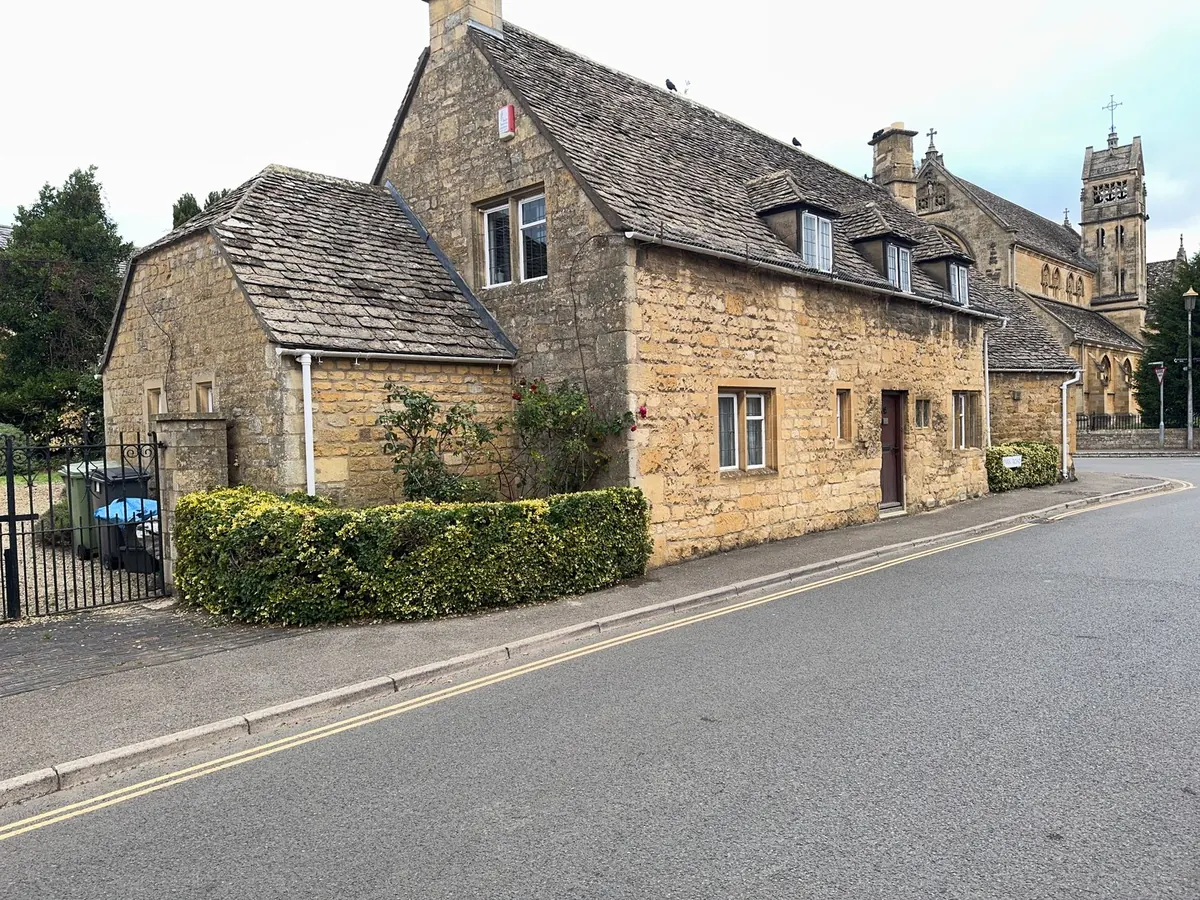
A story set in a British town can live or die on its details. Get the bus timetable right and readers who live there will trust you for the rest of the book. Get it wrong — a school that breaks up in July, a coastline where the sea arrives from the wrong direction — and the illusion thins.
Local detail is not decoration, either. Where someone lives tells you what they earn, how far they walk, who they nod to in the morning and what they are afraid of losing. Here is how to research a British setting properly, then put it to work on the page.
Choose the kind of place before the place itself
Start with function. What does your story need from its setting? A failing seaside town with a pier and a seasonal economy. A market town with a barracks nearby and one road out. A commuter village with a pub, a primary school and no bus after seven in the evening. A city neighbourhood where the terraces back onto a railway embankment.
Once you know what the place has to do, decide whether to use a real town or a composite. Real places save you work and give you free texture — the name of the chippy, the shape of the harbour — but they also invite scrutiny. A composite, built from the geography of one town and the economy of another, lets you invent a street or a bus route without anyone proving you wrong. Plenty of good novels do exactly this and never admit it.
If you use a real place, respect its distances. A character cannot pop from a coastal town to a city two counties away for lunch. The drive over the moors takes the best part of a morning, and in February it might not be worth attempting at all. That kind of friction is a gift to a plot.
Research that actually pays off
You do not have to visit, though visiting is the shortcut. What you need is specificity, and most of it is free. Work roughly in this order:
- Maps in layers. Start with Ordnance Survey for footpaths, contours and the true shape of a coast. Then find a historic map of the same square and see what used to be there — the mill, the sidings, the workhouse. Continuity is where stories hide.
- Local newspapers. Planning rows, council meetings, school fêtes, cricket results, the letters page. That letters page is a masterclass in local voice and grievance.
- Council planning portals. Public and searchable. Applications for change of use, objections, conservation areas, the fate of a former pub.
- Webcams and walking videos. Twenty minutes of a high street on a wet Tuesday will give you more than an hour of reading.
- Weather and tide tables. Check what the month of your scene actually does, and whether the tide reaches the wall you are describing.
- Museums, reference libraries and local history societies. Ask about ordinary life — wages, shifts, where teenagers went at night.
Take notes as fragments. A phrase, a shopfront, the colour of the railings. You are collecting nouns.
Small details doing the heavy lifting
Vocabulary first. Windscreen, not windshield. Pavement, not sidewalk. Bin day, the Co-op, a Spar that used to be a butcher's, the school run, a bus that stops running at teatime. Postcodes carry class and geography; so do street names. There is a difference between a close, a crescent, a row and an avenue, and locals know it.
Write the senses locally
Sound: the hum of a dual carriageway half a mile off, gulls loud enough to wake you at five, a delivery van reversing at six. Smell: brewery mash, seaweed, diesel, cut grass after rain on a new estate. Light changes with latitude and season — a bright cold week in March, dark by half past four in December.
Coastlines: tides, seasons and towns out of season
The coast is where British fiction goes to think, and it is also where writers get caught out. Tides behave very differently around the country. In Morecambe Bay the water races across the sands; in the Bristol Channel the gap between high and low water is dramatic. Before you strand a character on a causeway, find a tide table for that harbour and that month, and work out whether the sea would even be visible from the window you have given them.
Season changes the cast list. In August: crowds, queues, a hen party on the promenade, everything open. In February: boarded cafés, one dog walker, someone repairing a chalet roof, and a chip shop closing at seven. Both are useful. Only one of them is the version most readers picture.
Cities and their edges
Cities are not interchangeable. Sheffield is not Leeds; Cardiff is not Swansea; Norwich has its own weather and its own sense of distance from everywhere. Accents, loyalties, which way the money drifted, whether the docks were regenerated or left to rust — these determine how a character talks about home.
Don't let London stand in for Britain
The capital is one city with one set of assumptions. A character from a small town may feel awe, irritation, or nothing at all about it. If your story is set elsewhere, keep London offstage unless it earns its place.
Traps that mark a writer as an outsider
- Heritage-park Britain. Not everyone lives in a thatched cottage with an Aga. Plenty of people live in a 1970s semi with a garage conversion.
- American vocabulary. Fall, gotten, trash, mom. Readers notice within a page.
- Tea as a personality trait. It is a habit, not a character.
- Institutions muddled. Know the difference between a county and a district council, an A&E and a walk-in centre, a GP surgery and a hospital.
- Weather as permanent gloom. Britain has heatwaves, hosepipe bans and weeks of hard blue sky.
A practical method: the one-page place sheet
Keep a single sheet per location next to your draft. Then mine it. For each place, note: three landmarks a character could walk between; the main employer, past and present; the last bus or train and where it goes; the sound at six in the morning; who holds local power — the vicar, the pub landlord, the developer, the woman who runs the Facebook group; the season you are writing and the light at four in the afternoon.
Then go back through your manuscript and make sure every scene set outdoors carries one detail nobody could have guessed from a guidebook. One per scene is enough. Too many and it reads like a survey.
Read the local writing, too — the paper's court reports, a poet from the town, a novel set two streets from yours. If you name a real, identifiable business or person in a way that could damage them, either change the name or take professional legal advice before publication. Fiction is allowed to invent; it is less forgiving when it points.
Photo: Jan Arve Pettersen / Pexels
Related posts
More stories you’ll love reading