




Every editor has opened a submission that was almost there. A strong voice, a promising premise, and then a muddle in the middle or a typo in the opening line. Most of those stories weren't badly written. They were sent out one draft too soon.
The ten checks below are worth running through before you press submit. They take an hour or two at most, and they catch the things that quietly get stories rejected.
Does the Story Start Where the Trouble Does?
1. Open at the point of change. The first paragraph is the most valuable space you have, and it is usually where the warm-up lives. If your draft opens with a character waking up, driving somewhere, or thinking about the past, try cutting the first two or three paragraphs and see what happens. Often the story begins on the line you were originally building towards.
A useful test: cover the top of the page and read from the second paragraph onwards. Does anything feel missing? If not, that's your real opening. Get to a scene where something is already slightly wrong — a disagreement, a decision, a piece of news — and trust the reader to catch up on the rest.
Structure: Does Every Scene Earn Its Place?
2. Can you say what happens in one sentence? Not the theme — the event. A widower agrees to sell the house his wife died in, then changes his mind halfway through the viewing. If you can't compress it, the story probably has two centres and needs one of them removed.
3. Does each scene change something? Every scene should leave the reader with a different understanding of the situation, the character or the stakes. If two scenes do the same job, cut one.
Ask of every scene:
- What does the character want at the start of it?
- What goes wrong, or what shifts?
- What is different by the last line?
4. Does the ending land without explaining itself? Endings get overworked. Read your final paragraph and check whether it is telling the reader what to feel. A last line that echoes an image from earlier — a repeated object, a phrase, a gesture — usually does more than a paragraph of summary. Then turn back to your first page. The shape of the story should feel deliberate from the other direction.
Character: Want, Resistance, Change
5. Does your main character want something specific? 'To be happy' is not a want. 'To get her daughter's name off the school waiting list' is. A concrete desire gives you a plot, because the reader can track whether it is getting closer or further away.
6. Is something in the way? Resistance can come from another person, from circumstances, or from the character's own habits. What it can't be is absent. If your protagonist gets what they want after a few mild obstacles, there isn't enough pressure to hold a story together.
It also helps to know what they stand to lose by failing. Not every short story needs a life-changing stake, but the character has to care about the outcome of the next scene more than the reader does. If they don't, the reader won't either.
Point of View and Tense
Point of view
7. Is the viewpoint consistent, and is it the right one? Check that you are not drifting into another character's head mid-scene. Filter everything through the eyes of whoever is telling the story, and stay close to them. First person suits immediacy and secrets; third person limited gives you a little more room to move. If a scene only works from a different perspective, consider rewriting it rather than patching it.
Tense
8. Does the tense hold? This is the most common slip in otherwise clean drafts. A story in past tense will suddenly jump into present without warning; a present-tense story dips back and forth. Read paragraph by paragraph and mark every verb if you have to. Watch for the temptation to switch tense during action or flashback scenes.
Flashbacks need to be signalled clearly, too. A line break or a clean time marker is enough. Slippery shifts inside a paragraph cost you the reader's trust.
Formatting: Make It Easy to Say Yes
9. Does your manuscript follow the guidelines? Read the submission page again with your document open. Editors reject on this more often than writers expect, not out of pedantry but because a submission that ignores instructions suggests the writing might too.
A basic check:
- Double or 1.5 line spacing, readable 12-point font, page numbers
- Your name and the story title at the top of the manuscript, not only in the file name
- Word count stated, and within the limit
- A short cover note with the title, word count and any bio limit respected
- File format exactly as requested — .docx, .pdf, .rtf, whatever the guidelines say
- Indents and italics used consistently throughout
None of this is glamorous. All of it helps an editor settle onto the page.
Proofreading: The Last Ten Per Cent
10. Read it aloud, then read it backwards. Reading aloud slows you to the pace of the sentences and exposes missing words, repeated phrases and rhythms that fall flat. Reading backwards, last paragraph first, stops your brain from auto-correcting errors as it reads for meaning.
Then run a targeted sweep:
- Homophones: their/there, passed/past, its/it's
- Names spelled the same way every time
- Numbers: numerals or words, chosen one way and kept to
- Punctuation around dialogue, including commas and closing quotation marks
- Repeated words within a paragraph, particularly adverbs and the word 'just'
Leave the draft for a day or two before this pass if you can. Time away does more for proofreading than any spellchecker, which will never catch the wrong word used correctly.
Before You Submit
Run the ten points once more, quickly, then stop. More tinkering past this stage usually flattens a story rather than improving it — you start sanding off the oddities that made the voice worth reading in the first place.
Save a copy, note where you sent it and when, and check the market's stated response times so you know when a follow-up is reasonable. Then send it out and turn to the next piece. A rejection is information about one story and one editor, not a verdict on the work.
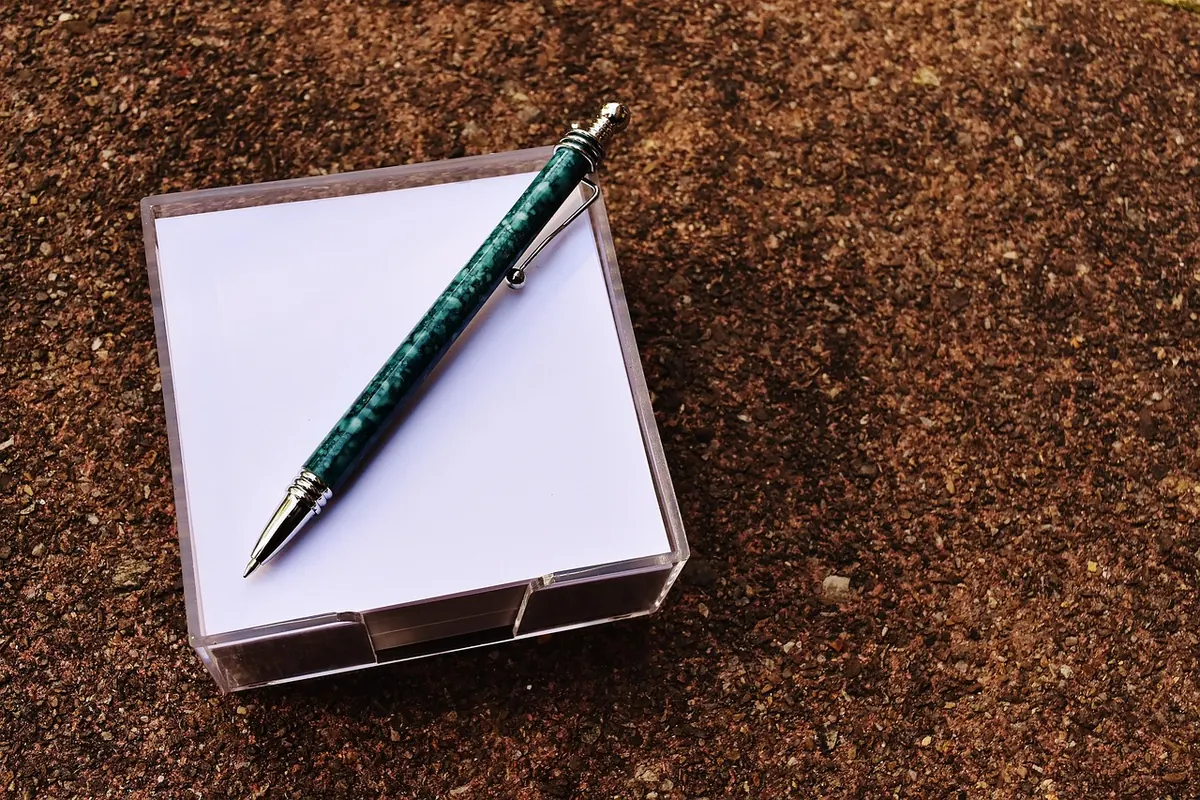
Photo: Alexas_Fotos / Pixabay
Related posts
More stories you’ll love reading